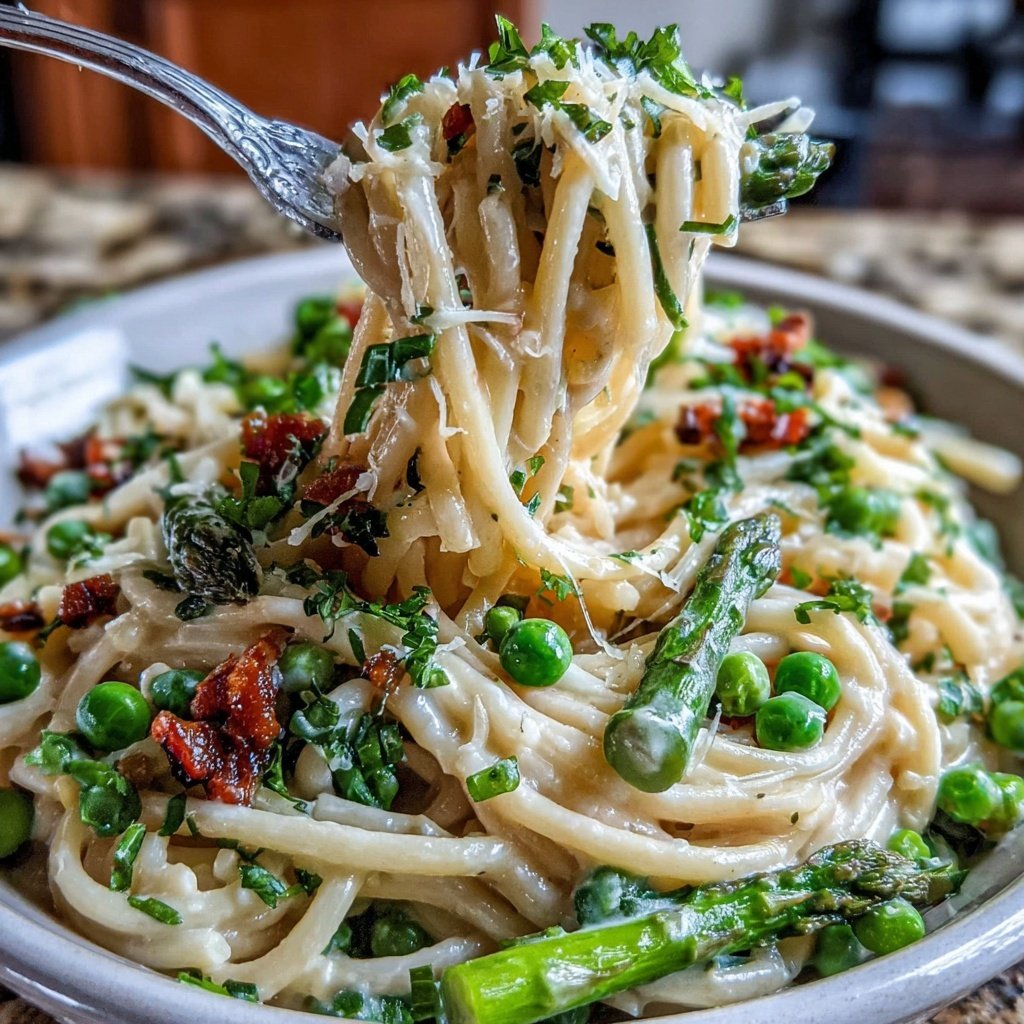
Spring Pasta With Asparagus And Peas
Highlighted under: Balanced Inspiration
Spring Pasta With Asparagus And Peas
Spring Pasta With Asparagus And Peas
Spring Pasta With Asparagus And Peas
Choosing the Right Pasta
When making Spring Pasta with Asparagus and Peas, the choice of pasta can greatly influence the dish's overall texture. Fresh pasta, such as tagliatelle or fettuccine, will cook quickly and absorb flavors beautifully, which is ideal for this light and vibrant recipe. If using dried pasta, consider a shape like farfalle or penne, which can hold onto the peas and asparagus pieces, ensuring each bite is packed with flavor.
Cooking the pasta to the perfect al dente is crucial. Typically, this means cooking for 1-2 minutes less than the package instructions suggest. This allows the pasta to maintain some bite and prevents it from becoming mushy when tossed with the vegetables and sauce. Be sure to reserve some pasta water before draining, as this starchy liquid can help to emulsify your sauce and add creaminess.
Perfecting the Asparagus and Peas
Fresh asparagus should be a highlight of your dish. When selecting asparagus, look for firm, bright green stalks with tightly closed tips. To prepare, simply snap off the woody ends and slice the asparagus into bite-sized pieces. Sautéing them for about 4-5 minutes allows them to retain a slight crunch while enhancing their natural sweetness. If you're short on time, you can also briefly blanch the asparagus before adding it to the pasta, which helps maintain its vibrant color.
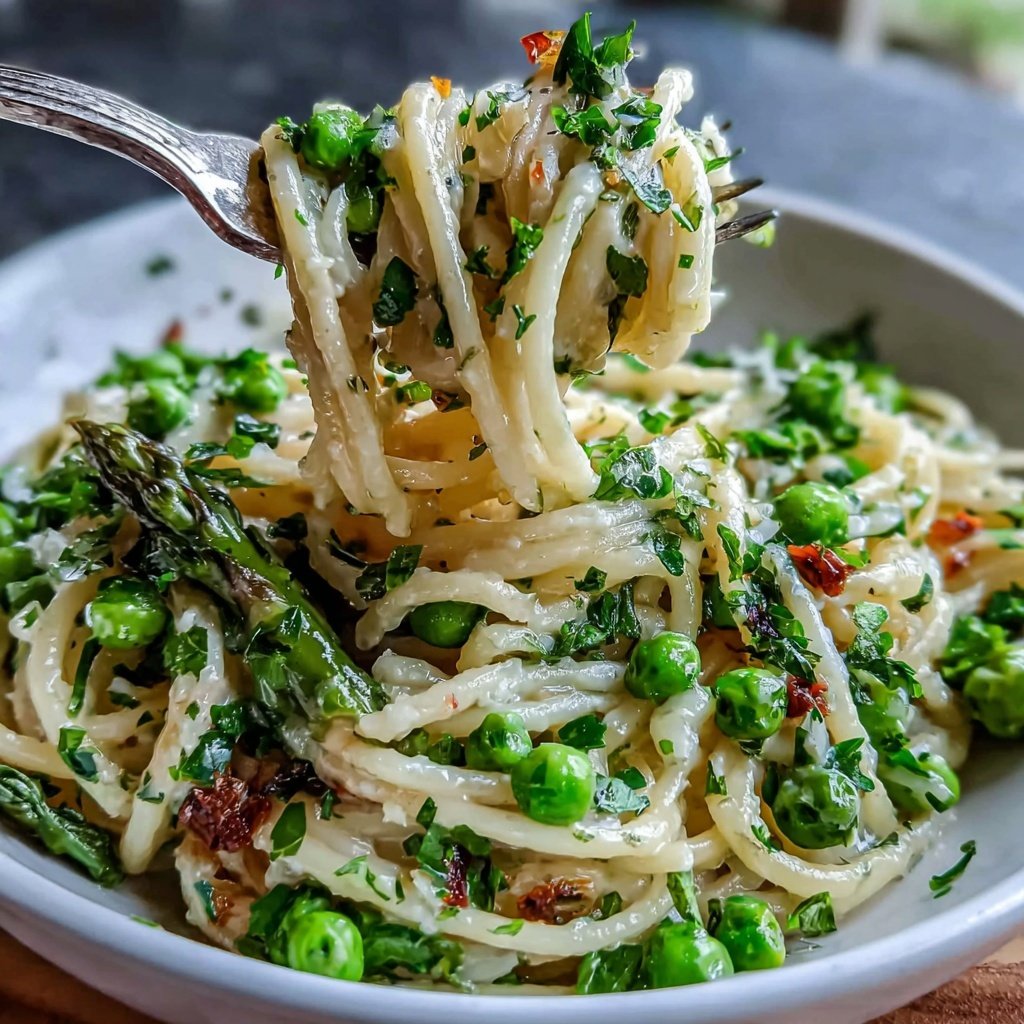
Snap peas, or sugar snap peas, add a delightful crunch and sweetness to the dish. They require minimal preparation; simply trim the ends and remove any tough strings if necessary. Cooking them quickly in the same pan as the asparagus ensures they remain tender-crisp, adding both flavor and texture. Remember, showcasing these bright vegetables is key in showcasing the essence of spring.
Finishing Touches and Serving Suggestions
The choice of cheese can elevate your Spring Pasta remarkably. A sprinkle of freshly grated Parmesan adds depth, while a bit of lemon zest brightens the dish beautifully. Alternatively, for a creamier texture, consider tossing in a spoonful of ricotta or mascarpone just before serving. These cheeses can mellow the flavors and provide a rich, luxurious experience, enhancing the overall enjoyment of your meal.
For a make-ahead option, you can prepare the vegetables ahead of time. Sauté the asparagus and peas, let them cool, and store them in an airtight container in the fridge for up to two days. When ready to serve, just reheat them briefly before tossing with freshly cooked pasta. This not only saves time but also allows the flavors to meld, creating a richer taste experience.
Ingredient Substitutions
If you can't find fresh asparagus, green beans or zucchini can be excellent substitutes. Both provide a similar crunch and mild flavor that complements the peas in this recipe. Just ensure to adjust cooking times slightly; green beans might need a minute longer, while zucchini should be added just a few minutes before finishing to avoid sogginess.
For a vegetarian option, consider swapping the cheese for nutritional yeast to give a similar umami flavor without dairy. Some people also enjoy incorporating different greens like spinach or arugula at the end of cooking for added nutrition. Toss them in just before serving; they will wilt slightly without losing their bright, vibrant color.
Storage and Reheating
If you have leftovers, store the cooked pasta and vegetables in an airtight container in the refrigerator for up to three days. It’s best to keep the cheese separate until serving to maintain its texture. When reheating, add a splash of olive oil or reserved pasta water in a skillet over low heat, and stir gently until warmed through to prevent drying out.
To freeze, consider storing the dish without the cheese and sauce. This ensures the best texture upon reheating. Place it in a freezer-safe container, and it will last for up to three months. When ready to eat, thaw overnight in the fridge and reheat on the stove, adding fresh cheese and squeezing a bit of lemon juice just before serving to restore that fresh spring vibe.
Pairing Recommendations
This Spring Pasta pairs beautifully with a crisp white wine, such as Sauvignon Blanc, which complements the freshness of the asparagus and peas. Alternatively, if you're looking for a non-alcoholic option, a sparkling water with a twist of lemon can refresh the palate and enhance the flavors of the dish.
For a side dish, a simple green salad with vinaigrette provides a refreshing contrast that rounds out the meal. Consider incorporating seasonal ingredients like radishes or seasonal microgreens to keep the theme of freshness. The lightness of the salad will make the pasta feel even more indulgent and satisfying.